What to Expect in Your Child's First ABA Session
In short: Your child's first ABA session focuses on building rapport and conducting an initial assessment. The BCBA will observe your child in a natural setting, ask about your goals, and explain the therapy process. Our free service can match you with a vetted, BCBA-led provider that accepts your insurance, including Medicaid.
Key takeaways
- The first session is about building trust and observing your child's natural behavior, not starting intensive therapy.
- A Board Certified Behavior Analyst (BCBA) leads the session, often with a registered behavior technician (RBT) present.
- You'll discuss your child's strengths, challenges, and your family's goals for therapy.
- The BCBA will conduct a preference assessment to find what motivates your child.
Find your child's ABA provider
About 60 seconds · free & confidential
- ✓ Vetted, BCBA-led providers
- ✓ In-home, center & telehealth
- ✓ No obligation, ever
Understanding the First ABA Session
The first session of Applied Behavior Analysis (ABA) therapy is a crucial step in your child's journey. It is not about jumping into drills or demanding tasks. Instead, it is a time for the therapist to build rapport, observe your child in a natural setting, and begin understanding their unique needs. This session is designed to be low-pressure and welcoming, setting a positive tone for the therapy that follows.
As a parent, you might feel a mix of hope and anxiety. That is completely normal. The goal of this first meeting is to gather information, answer your questions, and create a comfortable environment for your child. The therapist will want to learn about your child's interests, communication style, and any behaviors that you find challenging. This is also your opportunity to share your hopes for your child's development.
Our free service, Local ABA Therapy, can help you find a vetted, BCBA-led provider in your area. We match families with providers who are experienced, compassionate, and accept your insurance, including Medicaid. This ensures your child receives high-quality care from the start.
🔗 Related reading: ABA Therapy in New Port Richey FL: A Parent's Guide · Nearby ABA Therapy
Who Will Be at the First Session?
The Board Certified Behavior Analyst (BCBA)
The BCBA is the lead clinician who designs and supervises your child's ABA program. They hold a master's or doctoral degree in behavior analysis and have passed a national certification exam. During the first session, the BCBA will conduct an initial assessment, explain the therapy process, and answer your questions. They are your primary point of contact for clinical decisions.
The Registered Behavior Technician (RBT)
An RBT is a trained paraprofessional who works directly with your child under the BCBA's supervision. They implement the therapy plans and collect data on your child's progress. In some clinics, the RBT may be present during the first session to observe and begin building rapport with your child. The BCBA will guide the RBT on how to interact with your child.
You, the Parent or Caregiver
Your involvement is essential. The BCBA will ask about your child's daily routines, favorite activities, and any concerns you have. You are the expert on your child, and your insights shape the therapy goals. You may be asked to stay for part or all of the session, especially if the therapy is in-home. Your presence helps your child feel secure.
Looking for ABA therapy for your child? We match families with vetted, BCBA-led providers near you.
Get matched freeWhat Happens During the Session
Building Rapport and Trust
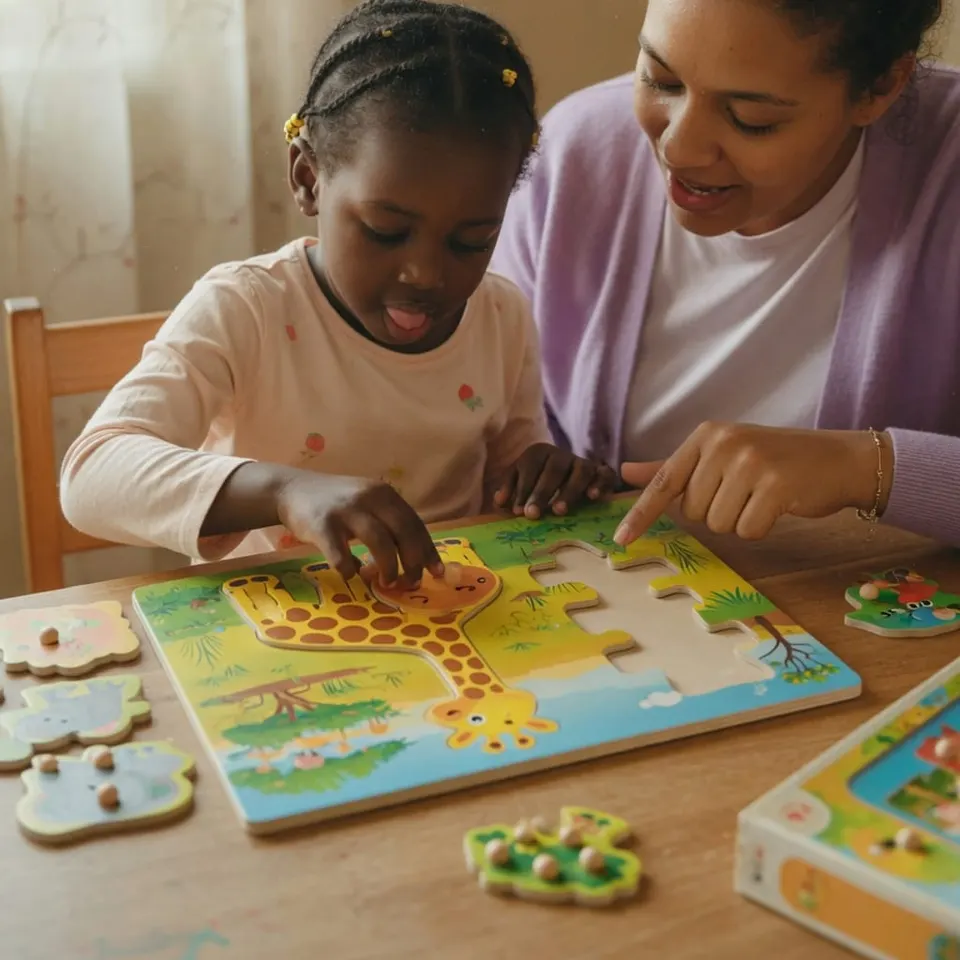
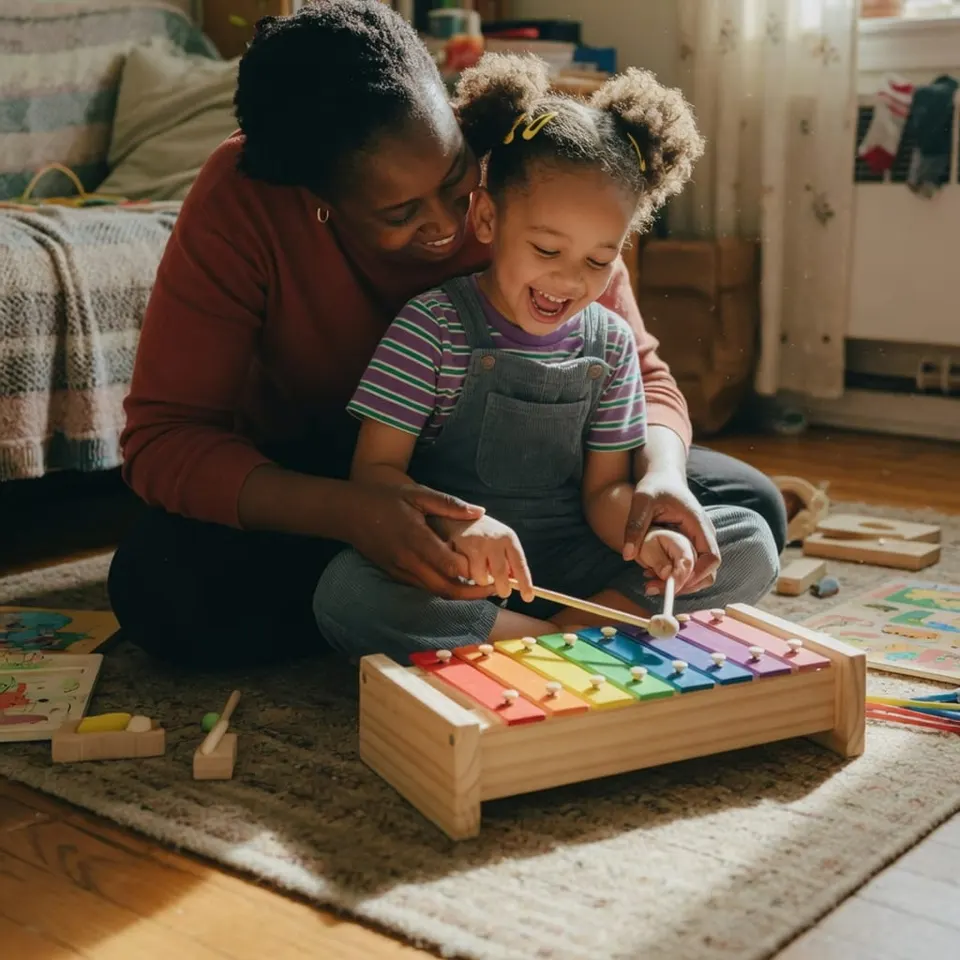
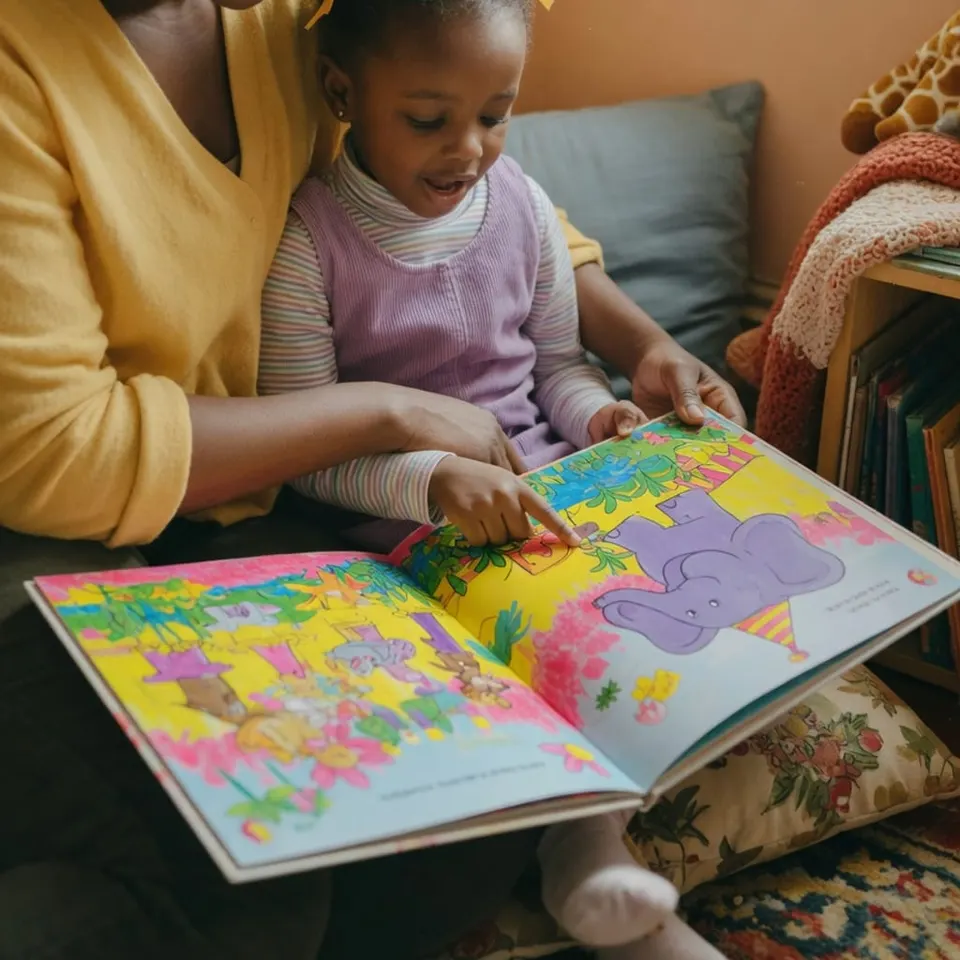
The first priority is making your child feel comfortable. The therapist will engage in activities your child enjoys, such as playing with toys, reading a book, or doing a puzzle. They will follow your child's lead, using a warm and playful tone. This builds a positive association with the therapist and the therapy space. No demands are placed on your child during this time.
Initial Assessment and Observation
While playing, the BCBA will observe your child's behavior. They will note how your child communicates, how they interact with others, and how they respond to different situations. This is called a naturalistic observation. The BCBA may also ask your child to try a few simple tasks to see their current skill level, such as following a simple instruction or imitating a sound. This is done in a gentle, non-pressured way.
Preference Assessment
The therapist will conduct a preference assessment to identify what motivates your child. This could be a favorite toy, a snack, or a specific activity. Understanding what your child finds rewarding is key to designing effective therapy. The therapist might present a few options and see which one your child chooses. This information is used to make therapy engaging and fun.
Parent Interview and Goal Setting
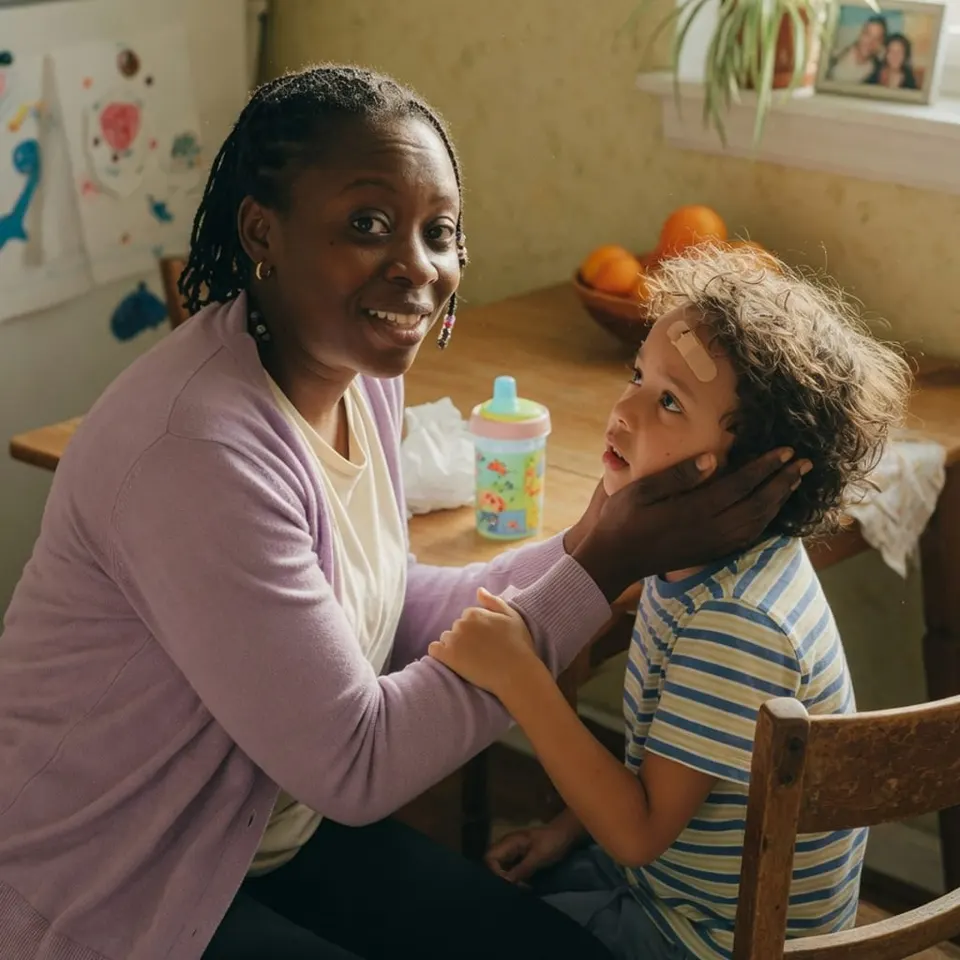
You will have a conversation with the BCBA about your child's strengths, challenges, and your family's priorities. Common goals include improving communication, social skills, daily living skills, and reducing challenging behaviors. The BCBA will explain how they will measure progress and what the therapy schedule might look like. This is a collaborative process, and your input is valued.
🔗 Related reading: Aetna ABA Therapy Arkansas: Coverage & Free Help · Apply for ABA
How to Prepare for the First Session
Bring Comfort Items and Snacks
Pack items that help your child feel secure, such as a favorite blanket, toy, or pacifier. Bring snacks and drinks your child likes, especially if the session is long. This can help prevent meltdowns and keep your child engaged.
Bring Relevant Documents
If your child has had previous evaluations, an Individualized Education Program (IEP), or medical records related to their diagnosis, bring copies. This gives the BCCA a fuller picture of your child's history. Also, have your insurance card ready, as the provider will need to verify coverage.
Prepare Your Child (If Possible)
Talk to your child about the visit in simple, positive terms. You might say, 'We are going to meet a new friend who likes to play games.' Avoid using words like 'therapy' or 'doctor' if they cause anxiety. For nonverbal children, use a social story or pictures to explain what will happen.
Write Down Your Questions
It is easy to forget questions in the moment. Write them down beforehand. Common questions include: How often will my child have therapy? Will it be in-home or at a clinic? How will I be involved? How will you handle challenging behaviors? What if my child refuses to participate?
What to Expect After the Session
A Written Treatment Plan
Within a few days, the BCBA will provide a written treatment plan. This document outlines the goals, methods, and schedule for therapy. It will also include how progress will be tracked. Review this plan carefully and ask questions if anything is unclear.
Ongoing Parent Training
ABA therapy often includes parent training. The BCBA will teach you strategies to support your child's learning at home. This might include how to use positive reinforcement, how to break down tasks into small steps, or how to respond to challenging behaviors. Your involvement is key to your child's success.
Data Collection and Progress Reports
The RBT will collect data during each session, tracking your child's responses to different activities. The BCBA will review this data regularly and adjust the therapy plan as needed. You will receive progress reports, typically monthly or quarterly, so you can see how your child is growing.
Common Concerns and Mistakes to Avoid
Expecting Immediate Results
ABA therapy is a gradual process. The first few sessions are about building a foundation. Do not expect to see major changes after one or two visits. Progress takes time, and consistency is key. Celebrate small wins along the way.
Comparing Your Child to Others
Every child is unique. Your child's therapy plan is tailored to their specific needs and strengths. Avoid comparing your child's progress to that of other children you know. Focus on your child's individual journey.
Not Asking Enough Questions
You are your child's best advocate. If something is unclear, ask. If you disagree with a proposed goal, discuss it. A good BCBA will welcome your input and work with you as a partner. Do not be afraid to speak up.
Ignoring Your Own Self-Care
Parenting a child with autism can be demanding. Take care of yourself so you can be present for your child. Seek support from family, friends, or parent groups. Our free service can also connect you with providers who offer parent support resources.
How Our Free Service Helps You Get Started
Finding the right ABA provider can be overwhelming. That is why Local ABA Therapy exists. We are a free matching service that connects families with vetted, BCBA-led providers in your area. We work with providers who accept a wide range of insurance plans, including Medicaid, so cost is not a barrier.
When you contact us, we will ask about your child's age, diagnosis, location, and insurance. Then we will match you with providers who are a good fit. You can review their profiles and choose the one that feels right. We are here to support you every step of the way, from the first session to ongoing care.
Your child's first ABA session is the beginning of a journey toward growth and independence. With the right provider and your active involvement, your child can thrive. Let us help you find that provider today.