Your Role in ABA Therapy at Home: How Parents Can Support Their Child's Progress
In short: Parents are essential partners in ABA therapy. By working with a BCBA, you can extend learning into daily routines at no extra cost (therapy is often covered by insurance and Medicaid). Our free service helps you find a vetted provider that fits your family's needs.
Key takeaways
- Parents reinforce skills learned during therapy sessions through everyday activities.
- Consistency between home and clinic settings supports faster progress.
- ABA therapy is commonly covered by private insurance and Medicaid.
- You don't need to be a therapist – the BCBA provides clear guidance.
Why Parent Involvement Matters in ABA Therapy
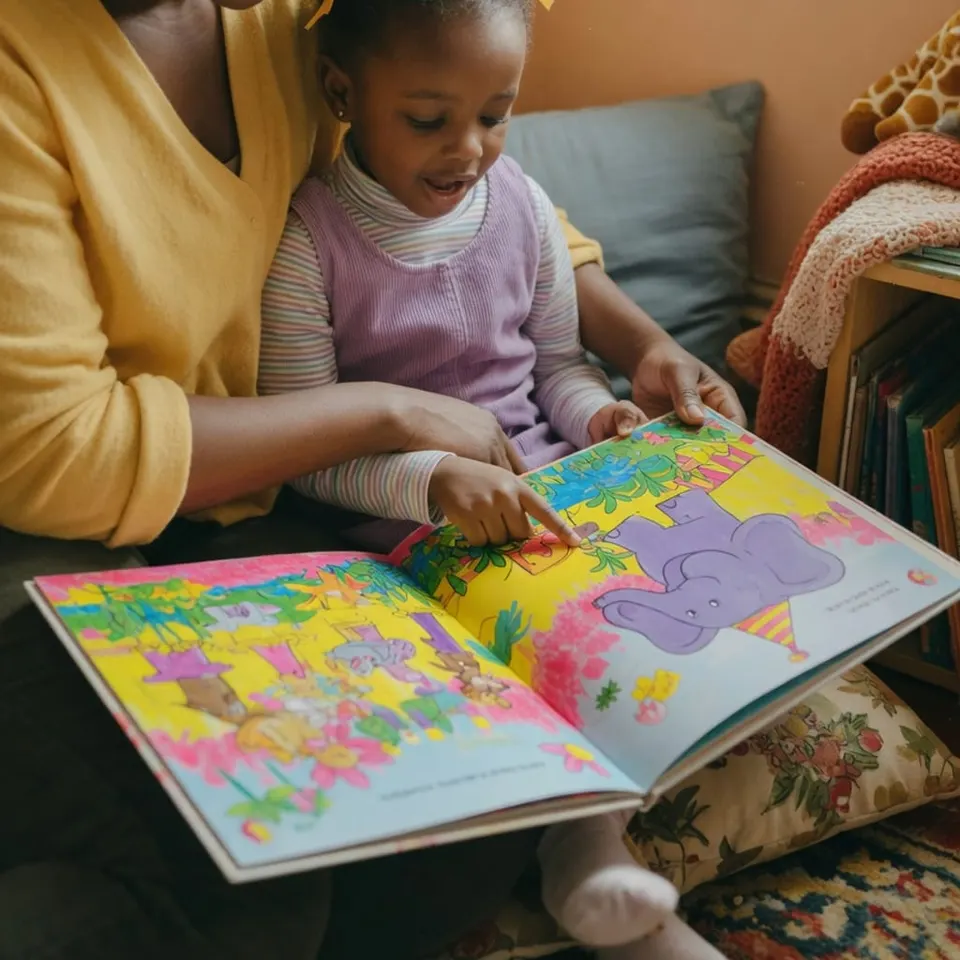
Applied Behavior Analysis (ABA) therapy is most effective when it extends beyond the clinic or therapy center. As a parent, you are your child's first teacher and the person who spends the most time with them. Studies consistently show that when parents actively participate in ABA therapy, children make faster and more meaningful progress. This is because skills learned during structured sessions need to be practiced in natural settings — at home, during meals, at bedtime, and in the community. Your involvement helps your child generalize those skills so they become part of everyday life.
At Local ABA Therapy, we are a free matching service that connects families with vetted, BCBA-led ABA providers. We understand that each family's situation is unique, and we work to find a provider that fits your child's needs, your schedule, and your insurance plan. Your role as a parent is not to replicate the therapist's job, but to be a consistent, loving partner in your child's learning journey.

🔗 Related reading: North Carolina CDSA ABA Therapy Referral: Your Guide · Nearby ABA Therapy
How a Parent's Role Works in Practice
Generalization and Natural Environment Training
One of the core goals of ABA is generalization — the ability to use a skill in different settings, with different people, and at different times. Your BCBA (Board Certified Behavior Analyst) will design programs that specifically target daily routines. For example, if your child is working on requesting items, you might practice by asking them to say "juice" during breakfast instead of just during a therapy session at a table. This is called Natural Environment Training (NET), and you are the key person to make it happen naturally throughout the day.
Data Collection and Sharing
Your BCBA will likely ask you to track certain behaviors or responses at home. This might be as simple as noting how many times your child independently uses a new word, or recording what happened before and after a challenging behavior. You don't need to be a data expert — the BCBA will give you simple tools like checklists or brief logs. This data is invaluable for adjusting the therapy plan to be more effective. Sharing honest observations helps the BCBA understand your child's real-world challenges and successes.
Implementing Behavioral Strategies
Your BCBA will teach you specific strategies tailored to your child. These might include using positive reinforcement (rewards for desired behaviors), creating visual schedules to reduce anxiety, or using prompting and fading techniques. You'll practice these with the BCBA or a therapist during parent training sessions. Over time, you'll build a toolbox of approaches that feel natural and effective for your family.
What to Expect When Working with a BCBA
Initial Parent Training
When you start with a new provider, the BCBA will schedule dedicated parent training sessions. These may be in your home, via telehealth, or at the clinic. The goal is to understand your family's routines, values, and priorities. You'll learn the basics of ABA principles and how they apply to your child's goals. Expect to ask questions — no question is too small.
Ongoing Communication
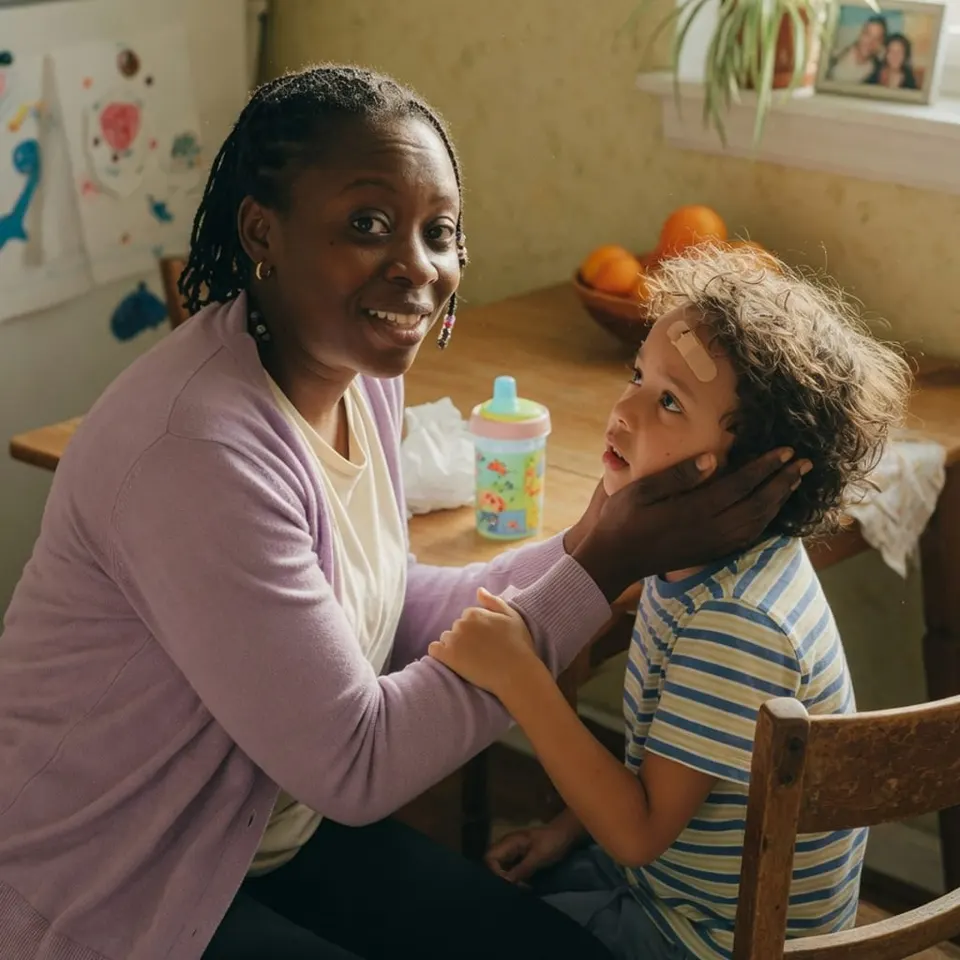
Your relationship with the BCBA is a partnership. Many providers offer weekly check-ins, progress reports, and periodic team meetings. You should feel comfortable sharing what's working and what's not. If a strategy feels overwhelming or doesn't fit your family's culture, say so. A good BCBA will adapt the plan to meet you where you are.
Gradual Increase in Responsibility
At first, you might observe sessions or practice one or two simple techniques. As you gain confidence, the BCBA may ask you to take on more, such as running a full home program for a portion of the day. This gradual approach ensures you never feel thrown in the deep end.
🔗 Related reading: ABA Therapy for 1-Year-Old Autism Signs: A Parent's Guide · Apply for ABA
Practical Tips for Supporting ABA at Home
Use Natural Opportunities
Look for teachable moments in everyday activities. Getting dressed, eating snacks, playing with siblings, and bath time are all chances to practice communication, social skills, and self-help. Keep it light and fun — the goal is to embed learning, not to add pressure.
Stay Consistent with Reinforcement
Consistency is key in ABA. If the therapy team uses a specific token system or praise strategy, try to use the same system at home. This doesn't mean you can't have your own family rewards, but aligning approaches reduces confusion for your child. Your BCBA can help you create a home reinforcement menu that works for your family.
Prioritize Self-Care and Teamwork
Being an active participant in therapy can feel demanding. It's important to take breaks and ask for support. Many providers offer respite resources or can connect you with parent support groups. Remember, you are not alone. Your role is vital, but you are part of a team that includes the BCBA, therapists, and often other family members.
Document Wins, Not Just Challenges
It's easy to focus on struggles, but celebrating small victories is equally important. Keep a mental or written note of your child's progress, no matter how small. Sharing these wins with your BCBA can boost everyone's motivation and help fine-tune the plan.
Common Mistakes Parents Make (and How to Avoid Them)
- Trying to do too much too soon. Start with one or two strategies and build from there. Overwhelm leads to burnout.
- Inconsistency between settings. If the clinic uses a certain phrase or prompt, try to use the same one at home. Ask your BCBA for a summary of key terms.
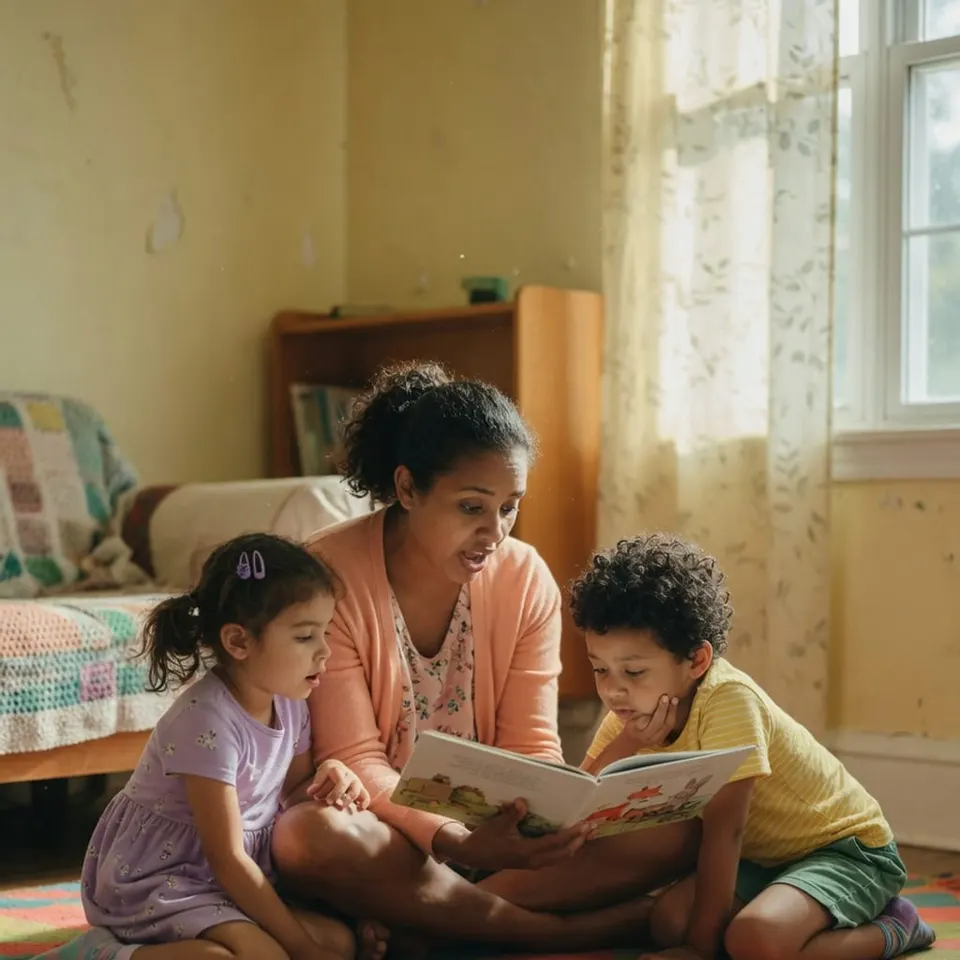
- Neglecting sibling involvement. Siblings can be great peer models. Include them in simple practice activities with the BCBA's guidance.
- Forgetting that ABA is play-based for young children. If exercises feel too formal, talk to your BCBA about making them more child-led and fun.
- Not asking for help. If you're struggling with a behavior at home, don't wait. Reach out to your BCBA for immediate strategies.
Does Insurance Cover ABA Therapy at Home?
Private Insurance
Most private health insurance plans cover ABA therapy for children with an autism diagnosis. This includes services delivered at home, such as parent training, direct therapy sessions, and BCBA supervision. Coverage varies by plan and state, so it's important to verify with your insurance company. Many providers, including those matched through Local ABA Therapy, can help you check your benefits.
Medicaid Coverage
Medicaid programs in most states cover ABA therapy for children under 21. Some states have specific waivers or programs like Early and Periodic Screening, Diagnostic and Treatment (EPSDT). Your BCBA-led provider can assist with the authorization process. If you need help finding a provider that accepts Medicaid, our free service can connect you with options in your area.
No Out-of-Pocket Cost for Parent Involvement
An important point: parent training and caregiver guidance are typically included in the therapy plan at no additional cost. Insurance understands that parent involvement improves outcomes. So don't worry that asking for extra training will incur extra fees — it's part of the covered treatment.
How Our Free Matching Service Helps You Find the Right Provider
Navigating the world of ABA therapy can feel overwhelming. That's where Local ABA Therapy comes in. We are a free service that matches families with vetted, BCBA-led providers in your area. We consider your child's age, needs, your location, and your insurance to present you with options that fit. Our goal is to save you time and ensure you have a supportive partner from the start.
Once matched, your provider will walk you through the assessment, treatment planning, and your specific role at home. You are never alone in this journey. To get started, simply fill out our brief form, and we'll connect you with top local providers who are ready to help your family thrive.
Conclusion
Your role in ABA therapy at home is one of the most powerful factors in your child's success. By working hand-in-hand with a BCBA, using consistent strategies, and celebrating progress, you create a nurturing environment where new skills can flourish. Remember, you do not need to be perfect — you just need to be present and willing to learn alongside your child. If you haven't yet found the right therapy team, let Local ABA Therapy help you take the first step. We're here to support you, free of charge.