Combining ABA with Speech and Occupational Therapy: What Parents Need to Know
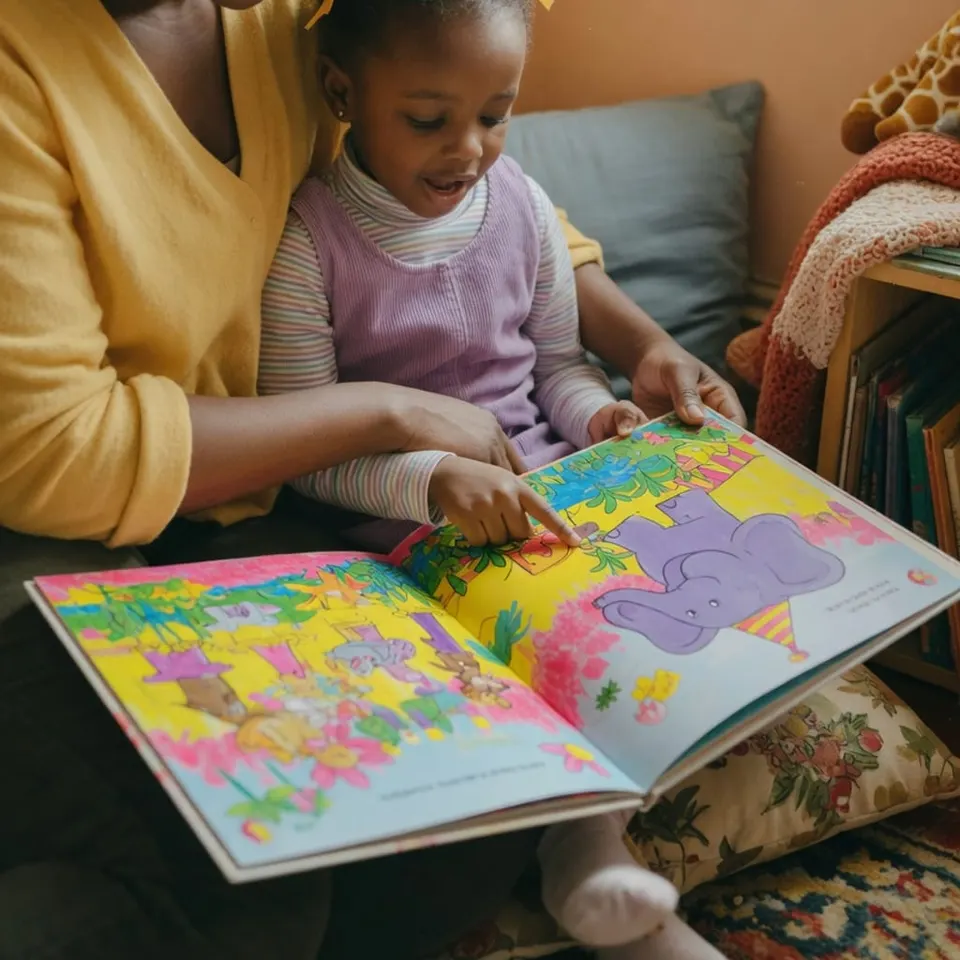
In short: Combining ABA with speech and occupational therapy can create a more holistic support plan for children with autism. ABA focuses on behavior and skill building, speech therapy targets communication, and occupational therapy addresses daily living skills and sensory needs. A free matching service can help you find vetted BCBA-led providers who coordinate care.
Key takeaways
- ABA, speech, and occupational therapy each target different but complementary areas of development.
- Coordinated care between therapists can lead to better outcomes and less stress for your child.
- Many insurance plans, including Medicaid, cover ABA, speech, and occupational therapy for autism.
- A free matching service can connect you with BCBA-led providers who collaborate with other therapists.
Find your child's ABA provider
About 60 seconds · free & confidential
- ✓ Vetted, BCBA-led providers
- ✓ In-home, center & telehealth
- ✓ No obligation, ever
Why Combine ABA with Speech and Occupational Therapy?
If your child is receiving applied behavior analysis (ABA) therapy, you may wonder whether adding speech or occupational therapy (OT) would be beneficial. The short answer is yes-for many children with autism, a combined approach can lead to more meaningful progress. ABA focuses on increasing positive behaviors and teaching new skills, while speech therapy targets communication, and OT addresses sensory processing, motor skills, and daily living tasks. When these therapies work together, they can reinforce each other and create a more comprehensive support system.
How They Complement Each Other
ABA therapists often work on communication goals, such as requesting items or using a communication device. A speech-language pathologist (SLP) can provide specialized strategies for language development, which the ABA team can then practice throughout the day. Similarly, an occupational therapist might help a child with sensory regulation, making it easier for them to engage in ABA sessions. This teamwork can reduce fragmentation and help your child generalize skills across settings.
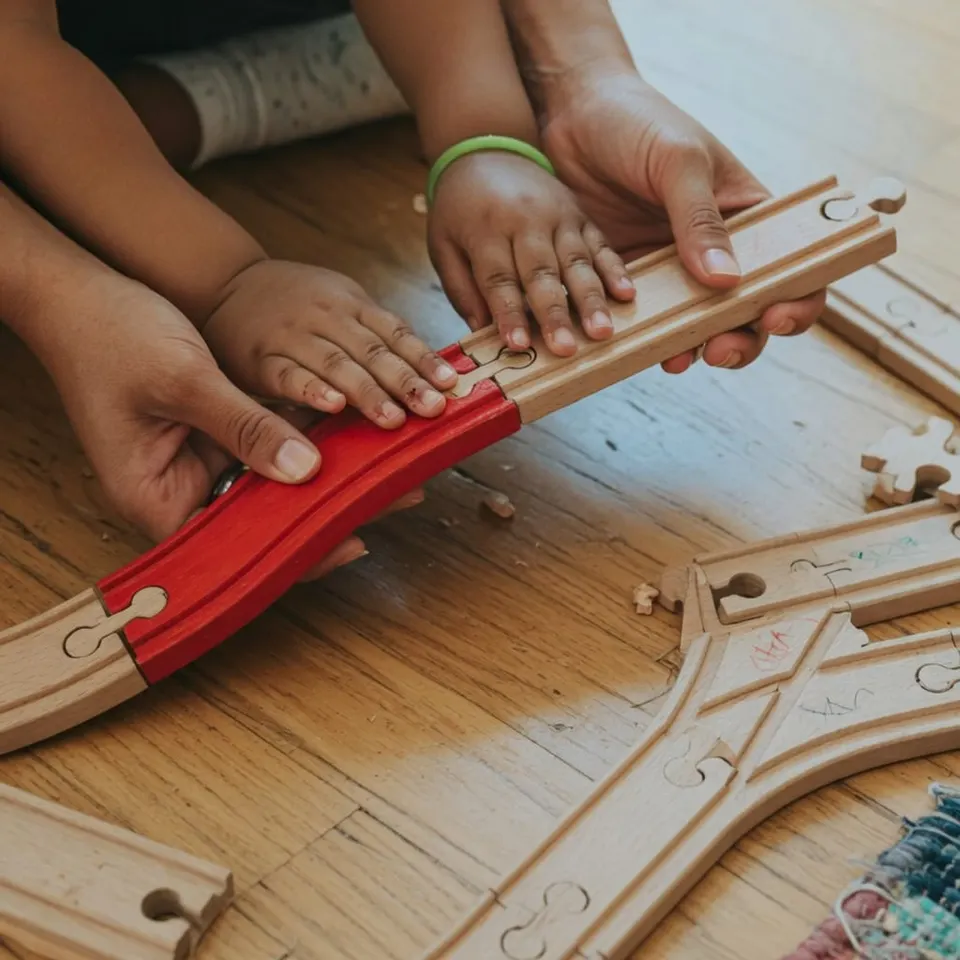
🔗 Related reading: Private Insurance & ABA in CA: Coverage Guide · Find ABA Near Me
What to Expect When Combining Therapies
When you decide to combine ABA with speech and OT, the first step is finding providers who are willing to collaborate. Many BCBA-led ABA clinics have relationships with local SLPs and OTs, or they may have them on staff. Your free matching service can help you find a BCBA-led provider who prioritizes interdisciplinary care.
Coordination of Care
Effective coordination means regular communication between therapists. This might include shared goal setting, joint sessions, or periodic meetings to discuss progress. For example, an ABA therapist might use a visual schedule created by the OT, while the SLP provides specific language models for the ABA team to use. Ask potential providers how they handle collaboration.
Sample Schedule
A typical week might include 10-20 hours of ABA, one or two speech sessions, and one or two OT sessions. Some families choose to have therapies on different days, while others prefer back-to-back appointments to reduce travel. Your BCBA can help design a schedule that fits your child's needs and energy levels.
Looking for ABA therapy for your child? We match families with vetted, BCBA-led providers near you.
Get matched freeCosts and Insurance Coverage
ABA therapy is often covered by insurance, including Medicaid, for children with an autism diagnosis. Speech and occupational therapy are also commonly covered, though coverage details vary by plan. Many states require insurance to cover these therapies for autism under mental health parity laws. Your free matching service can help you find providers who accept your insurance and understand the billing process.
Medicaid and Early Intervention
If your child is on Medicaid, ABA, speech, and OT are typically covered when medically necessary. Early intervention programs (for children under 3) often provide speech and OT at no cost. For older children, school-based services may be available through an Individualized Education Program (IEP). Combining these with private ABA can be powerful, but ensure all providers communicate to avoid conflicting goals.

🔗 Related reading: Florida ABA Therapy Through LTF Waiver: A Guide · Nearby ABA Therapy
Practical Tips for Parents
Here are some ways to make the combined approach work smoothly:
- Start with a team meeting: Bring all therapists together (in person or virtually) to discuss your child's strengths and challenges.
- Share a communication log: Use a shared document or app where therapists can note what worked and what didn't.
- Be consistent with language: Use the same words and prompts across therapies to reduce confusion.
- Celebrate small wins: Progress may come in different areas at different times. Acknowledge every step forward.
Mistakes to Avoid
Combining therapies can be powerful, but there are pitfalls to watch for:
- Overloading your child: Too many therapy hours can lead to burnout. Quality matters more than quantity.
- Lack of communication: If therapists don't talk, they may work on conflicting goals. Insist on regular updates.
- Ignoring your child's preferences: Some children thrive with one-on-one sessions; others need breaks. Adjust as needed.
- Forgetting about play: All therapies should include opportunities for fun and self-directed activities.
How to Get Started
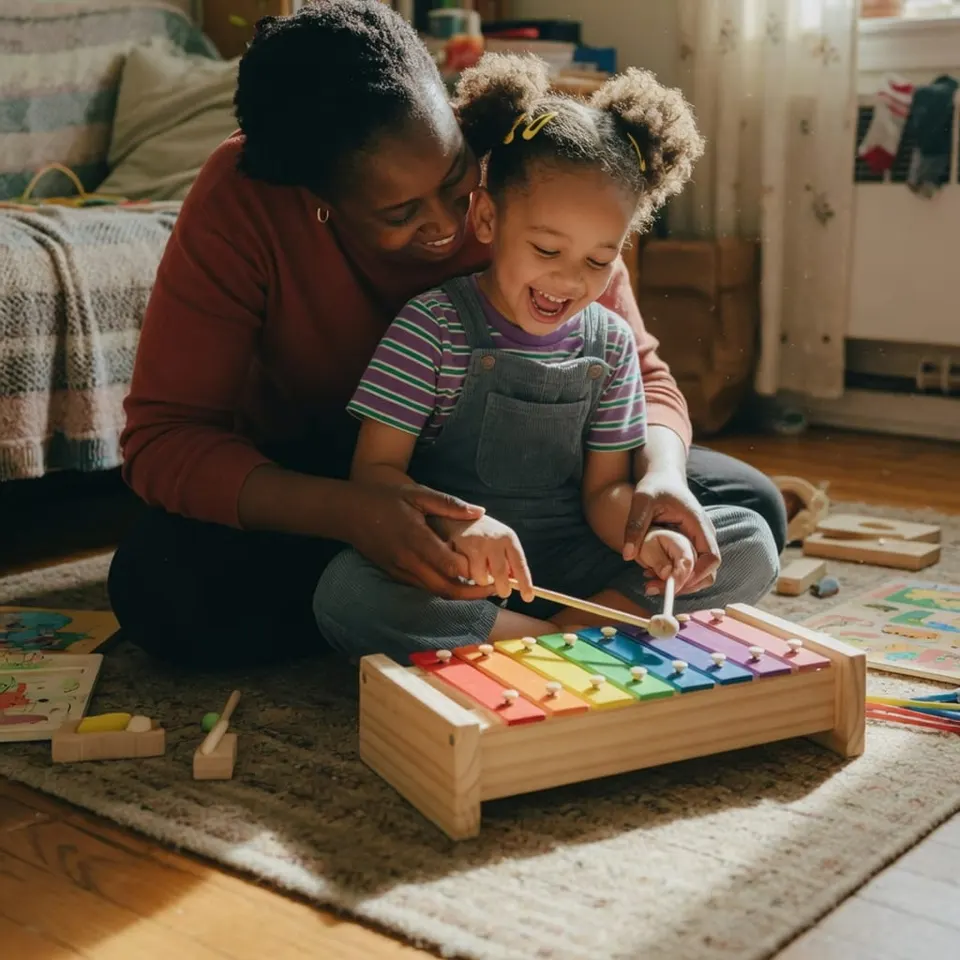
If you're ready to explore combining ABA with speech and OT, the first step is to find a BCBA-led ABA provider who values collaboration. Our free matching service can connect you with vetted providers in your area who have experience working with SLPs and OTs. You'll also get guidance on insurance and scheduling. Simply fill out a short form, and we'll match you with options that fit your family's needs.
Frequently Asked Questions
We've answered common questions below to help you make an informed decision.