ABA for Mild Autism: Is It Worth It?
In short: ABA therapy can be a valuable tool for children with mild autism, focusing on social, communication, and daily living skills in a naturalistic way. Many families find it helpful, especially when insurance covers the cost. A free matching service like Local ABA Therapy can help you explore options without pressure.
Key takeaways
- Modern ABA for mild autism is play-based and tailored to each child's strengths.
- Insurance often covers ABA, including Medicaid and private plans, reducing out-of-pocket costs.
- ABA can complement other therapies like speech and occupational therapy.
- A free matching service like Local ABA Therapy connects you with vetted BCBA-led providers.
Find your child's ABA provider
About 60 seconds · free & confidential
- ✓ Vetted, BCBA-led providers
- ✓ In-home, center & telehealth
- ✓ No obligation, ever
Understanding 'Mild Autism' and ABA Therapy
If your child has been diagnosed with Autism Spectrum Disorder (ASD) Level 1-often called 'mild autism'-you may wonder whether Applied Behavior Analysis (ABA) therapy is appropriate. The term 'mild' can be misleading; it describes a person who generally has strong language skills but may struggle with social cues, flexibility, or sensory sensitivities. The strengths are real, but so are the everyday challenges that can affect school, friendships, and family life.
ABA therapy is not a one-size-fits-all program. For individuals with milder symptoms, the focus shifts from reducing severe behaviors to building functional skills that promote independence and social connection. Modern ABA is child-directed, play-based, and respects neurodiversity. It is led by a Board Certified Behavior Analyst (BCBA) who designs a plan based on your child's unique profile.
How ABA Adapts for Mild Cases
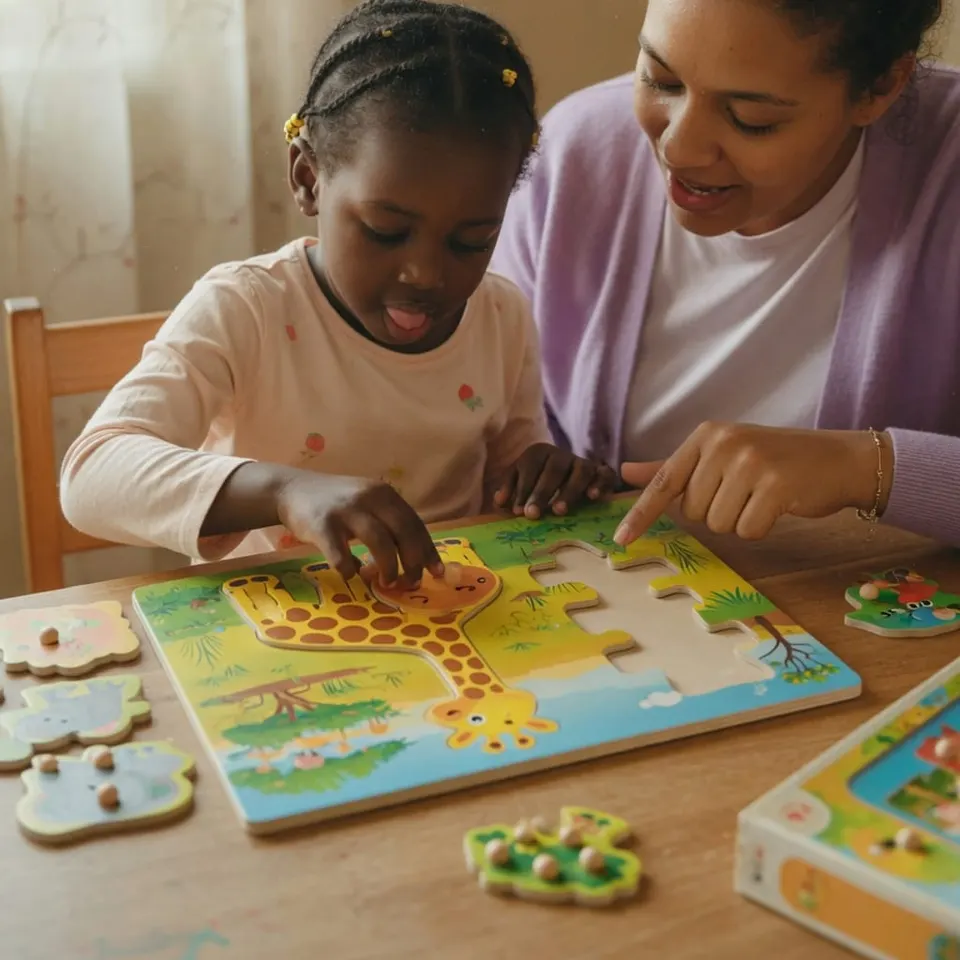
Gone are the days of rigid table-time drills. Contemporary ABA uses natural environment teaching, incidental teaching, and peer modeling. Activities look like structured play-trading turns in a game, practicing conversation starters, or following a visual schedule. The goal is not to erase autistic traits but to equip your child with tools to navigate a world that often feels overwhelming.
A BCBA will conduct a functional assessment to identify your child's motivators, stressors, and current skill levels. Then, together with you, they set goals that matter most to your family, such as initiating conversations, managing transitions, or advocating for a sensory break.

🔗 Related reading: NY ABA, Speech & OT: A Family Guide · Nearby ABA Therapy
The Case for ABA in Mild Autism
Building Social and Communication Skills
For many children with mild autism, social subtleties are the hardest part. They may want friends but not know how to approach others, read body language, or maintain a back-and-forth conversation. ABA breaks these complex skills into small, teachable steps. A therapist might practice greetings, asking questions, or recognizing emotions through photos and role-play. With repetition and positive reinforcement, these skills become more automatic.
Reducing Problem Behaviors That Interfere
Even at Level 1, some children have behaviors that disrupt learning or relationships-meltdowns over schedule changes, insistence on rigid routines, or difficulty sharing. ABA does not punish these behaviors; it analyzes their function and teaches a replacement skill. For example, if a child screams when a game ends, the therapist teaches them to say 'more please' or use a timer to prepare for transitions. The result is fewer outbursts and more self-regulation.
Promoting Independence and Executive Functioning
ABA can also target everyday life skills: brushing teeth, packing a backpack, following a morning routine. For a child with mild autism, executive functioning deficits (planning, organizing, task initiation) can be lifelong hurdles. ABA uses visual supports, task analysis, and reinforcement to build these habits early, setting the stage for greater independence in school and beyond.
Looking for ABA therapy for your child? We match families with vetted, BCBA-led providers near you.
Get matched freeCommon Concerns About ABA for Mild Autism
Is It Too Intensive?
You may have heard that ABA requires 40 hours per week. That is not typical for mild cases. Therapy hours are determined by need and can range from a few hours weekly to around 15. The BCBA will recommend an intensity that fits your child's tolerance and schedule. Many families start low and adjust over time. A free matching service can help you find providers who offer flexible hours.
Ethical Considerations and Neurodiversity
A genuine concern within the autistic community is that ABA may promote masking-forcing a child to suppress natural autistic behaviors to appear 'normal.' Ethical ABA providers today focus on teaching skills that expand a child's choices, not force conformity. For instance, teaching eye contact is not a goal if the child finds it painful; instead, they might learn to show they are listening in other ways. When considering ABA, look for providers who emphasize self-advocacy, consent, and respect for sensory needs.
Will My Child Lose Their Personality?
No. Good ABA celebrates your child's unique interests and strengths. Goals are chosen collaboratively with you, and sessions are designed to be fun and motivating. Your child's personality-their humor, passions, and way of seeing the world-remains intact. In fact, ABA can help them express that personality more fully by reducing frustration and improving communication.

🔗 Related reading: ABA Therapy Insurance in Arizona: Your Guide · Apply for ABA
What to Expect in ABA for Mild Autism
Initial Assessment and Goal Setting
The process begins with a comprehensive assessment by a BCBA, who will observe your child, interview you, and review any previous evaluations. Together, you will prioritize goals such as:
- Starting and maintaining conversations
- Playing cooperatively with peers
- Managing transitions and changes in routine
- Completing multi-step tasks independently
- Expressing emotions and needs appropriately
The BCBA then writes a treatment plan that is reviewed regularly and adjusted based on progress.
Typical Session Examples
A session for a child with mild autism might look like this: The therapist arrives and joins the child in their preferred activity-building with blocks. The therapist uses this opportunity to model sharing, ask the child's opinion, and expand the play narrative. Later, they might practice a social story about a common situation, like asking a friend to join a game. Throughout, the therapist notes what works and what needs more practice.
Progress Monitoring and Adjustments
Data is collected in every session. The BCBA analyzes this data to see if the child is meeting milestones. If a goal is mastered, it is replaced with a new one. If something is not working, the approach is changed. You are updated regularly and encouraged to give feedback. This continuous loop ensures therapy stays relevant and effective.
Costs and Insurance Coverage
How Much Does ABA Cost?
Without insurance, ABA therapy can cost $50-$150 per hour. However, the majority of families pay little to nothing out-of-pocket because of insurance mandates. Many private insurance plans cover ABA as a medically necessary treatment for autism, including mild diagnoses. It is important to check your specific plan, but most states have laws requiring coverage.
Insurance and Medicaid
Medicaid-including your state's Children's Health Insurance Program (CHIP) and many managed care plans-also covers ABA therapy for eligible children. Early Intervention programs (Part C of IDEA) may provide ABA or related services for children under three. The process can feel overwhelming, but you do not have to navigate it alone. A free matching service like Local ABA Therapy works with families to find providers that accept your insurance, including Medicaid, and can explain the steps to get started.
Using a Free Matching Service
Local ABA Therapy is a free, no-obligation service that connects you with vetted, BCBA-led ABA providers in your area. They help you understand your insurance coverage, schedule a consultation, and answer any questions-without cost or commitment. This takes the guesswork out of finding the right fit for your child's mild autism needs.

Alternatives and Complementary Approaches
Other Therapies to Consider
ABA is not the only option. Many children benefit from speech therapy (for pragmatic language), occupational therapy (for sensory and motor skills), or social skills groups. Some families choose to combine these with ABA for a comprehensive approach. The key is to look for a BCBA who collaborates with your child's other therapists and school team.
School-Based Supports
If your child qualifies for an Individualized Education Program (IEP) or 504 Plan, they may receive supports at school like social skills training, accommodations for sensory sensitivities, or a behavior intervention plan. ABA can complement school services by generalizing skills across settings.
How to Decide if ABA Is Right for Your Child
Questions to Ask Yourself
There is no single right answer. Ask yourself:
- Are there specific skills (social, self-help, communication) that my child needs help mastering?
- Is my child struggling with daily routines or transitions at home or school?
- Are problem behaviors affecting their quality of life or relationships?
- Is my child open to working with a therapist in a play-based setting?
- Does my insurance cover ABA, and what would be the financial impact?
If you answer yes to some of these, ABA may be worth exploring further.
Next Steps
The best way to find out if ABA is a good fit is to talk to a provider who specializes in working with children with mild autism. Through Local ABA Therapy's free matching service, you can connect with BCBA-led clinics that offer initial consultations. This gives you the chance to ask specific questions, see the therapy environment, and decide with confidence. There is no obligation, and you control the pace.
Ultimately, the worth of ABA therapy for mild autism depends on your child's individual needs, your family values, and the quality of the provider. With thoughtful consideration and the right support, ABA can be a powerful tool to help your child thrive.