Is 4 Too Late to Start ABA Therapy? Here's What You Should Know
In short: No, age 4 is not too late to start ABA therapy. In fact, it's an excellent age because children are still in a key developmental window and often more ready for structured learning than toddlers. ABA therapy can be highly effective at this age, focusing on communication, social skills, and daily living. Many families start at 4 and see significant gains. If you're concerned, the best step is to get matched with a vetted BCBA-led provider through our free service to explore options.
Key takeaways
- Age 4 is not too late for ABA therapy; it's a highly effective time as children are in a key developmental window and often more receptive to structured learning.
- ABA therapy at age 4 can target communication, social skills, daily living, and school readiness, with goals tailored to the child's needs.
- Many insurance plans, including Medicaid, cover ABA therapy for children of all ages when deemed medically necessary.
- Early intervention is ideal, but starting at 4 still allows for significant progress before kindergarten and beyond.
Understanding the Question: Is 4 Too Late?
If you're a parent or caregiver of a 4-year-old who has recently been diagnosed with autism spectrum disorder (ASD), or if you've been considering ABA therapy but haven't started yet, you may be wondering: is 4 too late to start? The short answer is no. While early intervention (starting before age 3) is often emphasized, age 4 is still well within the window where ABA therapy can be profoundly effective. Children at this age are typically more capable of engaging in structured activities, following instructions, and participating in social learning than toddlers. This makes 4 a prime time to build foundational skills that will support them in kindergarten and beyond.
ABA therapy is not a one-size-fits-all approach. It is tailored to each child's unique strengths, challenges, and developmental stage. At age 4, a skilled Board Certified Behavior Analyst (BCBA) can design a program that addresses communication, social interaction, self-care, and pre-academic skills. The therapy is data-driven and flexible, meaning it can adapt as your child grows.

🔗 Related reading: Early Intervention Programs in NY Explained · Find ABA Near Me
Why Age 4 Is a Great Time to Start ABA Therapy
Developmental Readiness
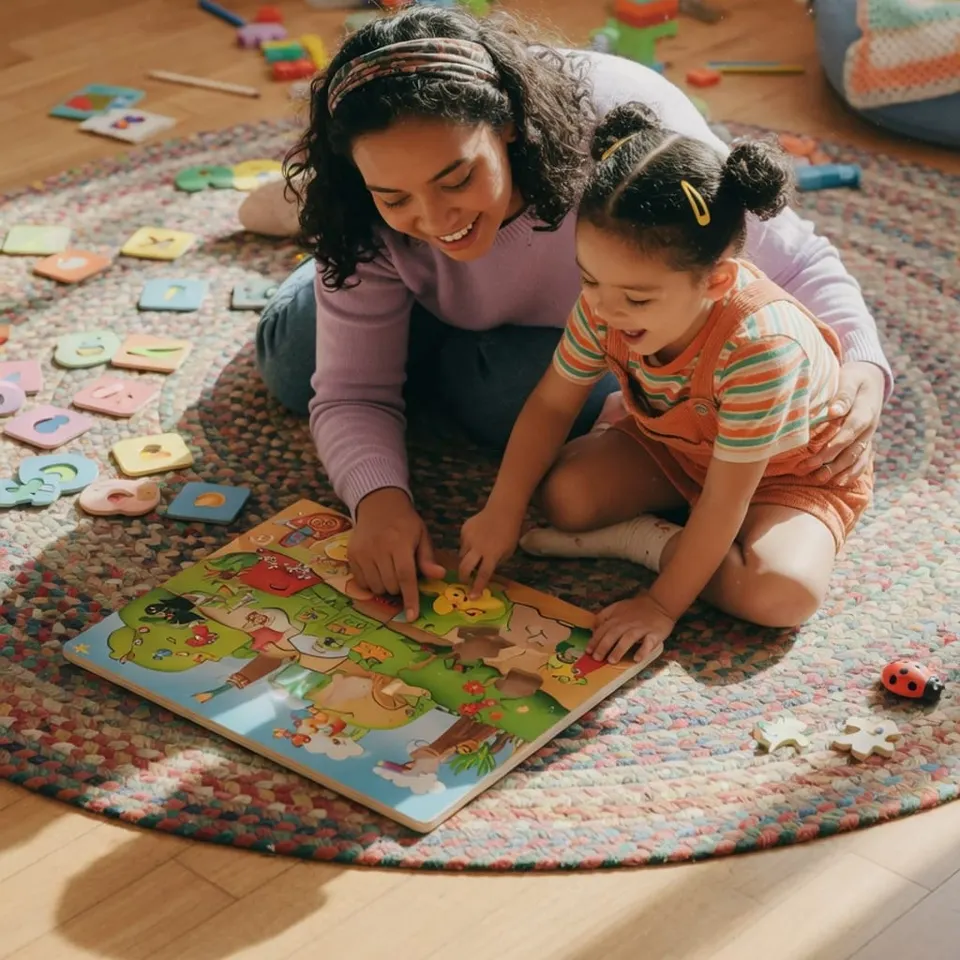
By age 4, most children have developed some basic language and motor skills. They are often more ready for structured learning environments, such as table work or group activities. This readiness can accelerate progress in ABA therapy. For example, a 4-year-old may be able to sit for short periods, follow simple instructions, and engage in turn-taking games-all of which are valuable for therapy sessions.
Critical Window for Social Skills
Between ages 3 and 5, children are naturally more interested in peers and social play. ABA therapy can harness this developmental stage to teach skills like sharing, initiating conversations, reading social cues, and managing emotions. Starting at 4 allows your child to practice these skills before they enter a more demanding school environment.
Preparation for Kindergarten
Starting ABA therapy at age 4 gives you a full year (or more) to work on school-readiness skills. These can include following classroom routines, raising a hand, toileting independently, and managing transitions. Many families find that a year of focused therapy makes a significant difference in their child's ability to succeed in a mainstream or special education classroom.
What to Expect When Starting ABA at Age 4
Initial Assessment and Goal Setting
When you connect with a BCBA-led provider, the first step is a comprehensive assessment. The BCBA will observe your child, interview you, and review any previous evaluations. They will then create a personalized treatment plan with specific, measurable goals. Common goals for a 4-year-old might include:
- Increasing functional communication (e.g., using words or AAC devices to request items)
- Improving social interactions with peers (e.g., parallel play, sharing)
- Developing self-help skills (e.g., dressing, brushing teeth)
- Reducing challenging behaviors (e.g., tantrums, aggression) through replacement behaviors
- Building pre-academic skills (e.g., letter recognition, counting)
Typical Session Structure
Sessions can take place in-home, in a clinic, or in a community setting. For a 4-year-old, sessions are often play-based and engaging. A Registered Behavior Technician (RBT) works directly with your child under the supervision of a BCBA. Sessions might include structured teaching, naturalistic teaching (embedding learning into play), and parent training. Parent involvement is crucial-you'll learn strategies to reinforce skills throughout the day.
Duration and Intensity
The number of hours per week varies based on your child's needs and insurance coverage. Many 4-year-olds receive 10 to 25 hours per week, but some may need more or less. The BCBA will recommend an intensity that balances effectiveness with your family's schedule. Remember, quality matters more than quantity; a well-designed program can achieve great results even with fewer hours.

🔗 Related reading: Key Questions to Ask NY ABA Providers Before Enrolling · Find ABA Near Me
Costs and Insurance Coverage for ABA Therapy at Age 4
Insurance Mandates and Medicaid
ABA therapy is widely covered by insurance, thanks to autism insurance mandates in all 50 states. Most private insurance plans, including those through employers, are required to cover ABA therapy for children diagnosed with ASD. Additionally, Medicaid programs in most states cover ABA therapy. For example, in many states, Medicaid's Early and Periodic Screening, Diagnostic and Treatment (EPSDT) benefit includes ABA. Your specific coverage will depend on your plan, but the vast majority of children can access therapy with little to no out-of-pocket cost.
How Our Free Matching Service Helps
Navigating insurance and finding a provider can be overwhelming. That's where Local ABA Therapy comes in. As a free matching service, we connect you with vetted, BCBA-led providers in your area who accept your insurance, including Medicaid. You simply fill out a short form, and we do the legwork to find options that fit your needs. There's no cost to you-we're here to simplify the process.
Common Mistakes to Avoid When Starting ABA at Age 4
Waiting Too Long
Some parents think, "I'll wait until they're 5 or 6." But every month matters. Starting at 4 gives your child more time to build skills before the demands of school increase. Don't let fear or uncertainty delay you.
Choosing a Provider Without Verifying Credentials
Always ensure the provider is BCBA-led and has experience with 4-year-olds. Our matching service only works with vetted providers, so you can trust the quality.
Underestimating Parent Involvement
ABA is most effective when parents are trained and involved. Make sure the provider offers parent training and that you're willing to participate. Consistency across settings is key.
Focusing Only on Academics
While pre-academic skills are important, don't neglect social, communication, and self-help goals. A balanced program leads to better long-term outcomes.
Success Stories and What Research Says
Research consistently shows that ABA therapy is effective for children of all ages, including those starting at 4. A 2020 study found that children who began ABA between ages 4 and 6 made significant gains in cognitive, language, and adaptive skills. Many families report that their 4-year-old's progress exceeded expectations, especially in areas like communication and social engagement.
Consider the story of a family in Denver who started ABA when their son was 4. He was nonverbal and had frequent meltdowns. After a year of therapy, he was using short sentences, playing alongside peers, and transitioning to a general education kindergarten. This is not unusual-with the right support, many children thrive.
How to Get Started with ABA Therapy at Age 4
Step 1: Get a Diagnosis
If your child doesn't have a formal ASD diagnosis, start with a developmental pediatrician or psychologist. A diagnosis is often required for insurance coverage.
Step 2: Use Our Free Matching Service
Visit Local ABA Therapy and fill out our quick form. We'll match you with BCBA-led providers in your area who accept your insurance. We handle the legwork so you can focus on your child.
Step 3: Schedule an Assessment
Once matched, the provider will conduct an assessment and create a treatment plan. Ask questions about goals, hours, and parent training.
Step 4: Begin Therapy and Stay Engaged
Attend parent training, communicate regularly with the BCBA, and celebrate small wins. Progress may be gradual, but every step counts.
Final Thoughts: It's Never Too Late to Start
If your child is 4 and you're considering ABA therapy, take heart. This is a wonderful age to begin. Your child is ready to learn, and you have a strong foundation to build on. Whether you're just starting your journey or looking for a new provider, our free matching service is here to help. Don't wait-reach out today and take the first step toward unlocking your child's potential.